World’s Best Collection Of Data Science Resources
Are you a 16-year-old hooked on pills trying to build your brain muscles? Please see your local doctor or a therapist.
However, if you’re interested in learning data science from the top instructors around the world, you’ve come to the right place.
Study through a pre-planned curriculum designed to help you fast-track your Data Science career and learn from the world’s best collection of Data Science Resources.


Level 1: Data Science Looks Cool!
Take a pill, you won’t regret it.

Data Analysis and Visualization with Power BI
Meet the growing demand for data analysis and visualization professionals by gaining Power BI skills that top companies want.

Google Data Studio A-Z for Data Visualization
Use Google Data Studio to create reports & data visualizations from Google Sheets, Google Analytics, Google Ads and BigQuery.

Python for Data Science and Machine Learning Bootcamp
Learn how to use NumPy, Pandas, Seaborn, Matplotlib , Plotly, Scikit-Learn, Machine Learning, Tensorflow, and more!

Machine Learning A-Z™: Hands-On Python & R In Data Science
Learn to create Supervised and Unsupervised Machine Learning Algorithms from two proven Data Science experts.
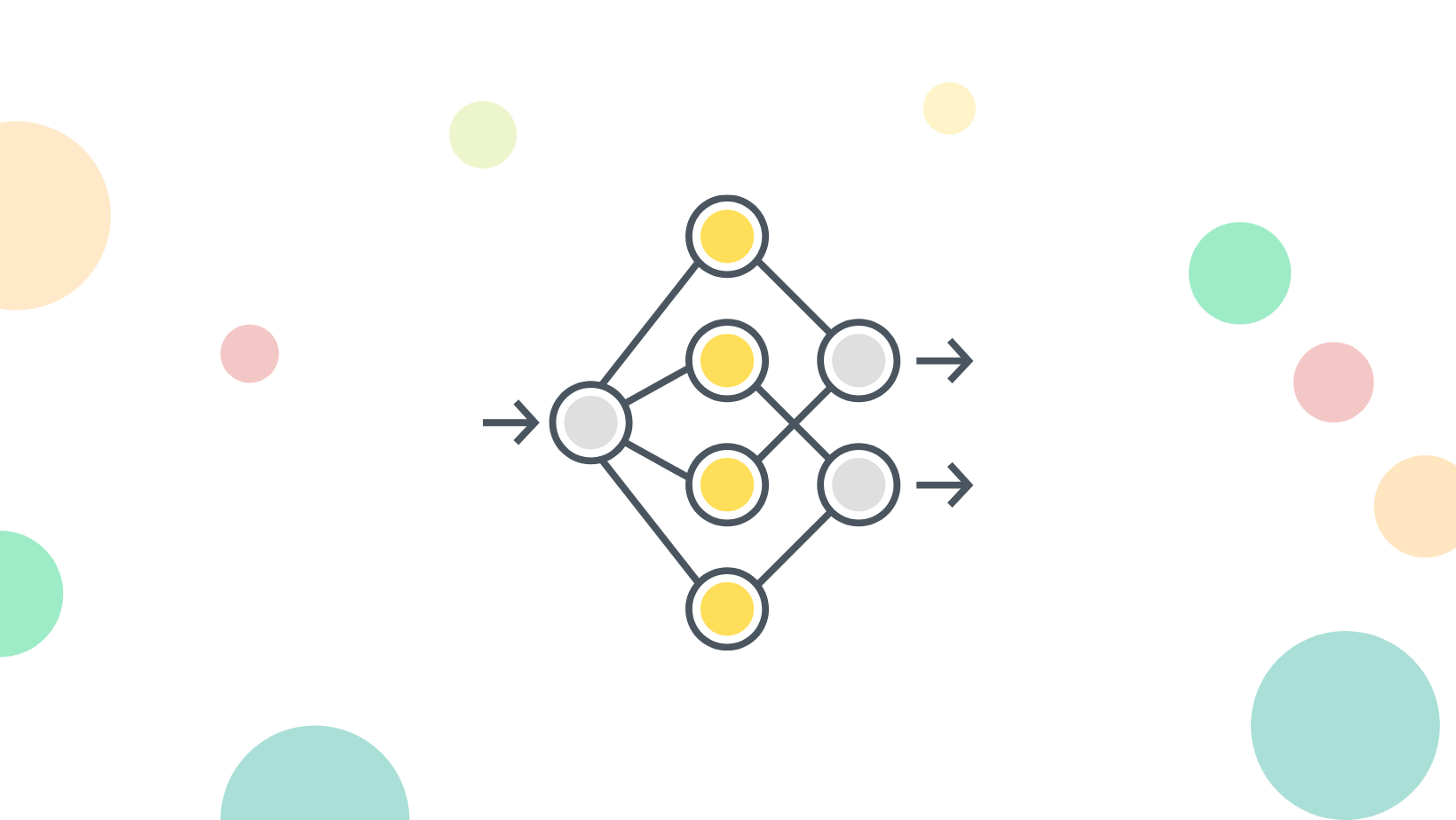
Deep Learning A-Z™: Hands-On Artificial Neural Networks
Learn Deep Learning while building real-world projects in domains such as Computer Vision, Financial Predictions, and more!

Complete SQL Bootcamp 2022: Go from Zero to Hero
Learn to read and write complex queries to a database using one of the most in demand skills – i.e the PostgreSQL.